
The Allure of Casino Gambling
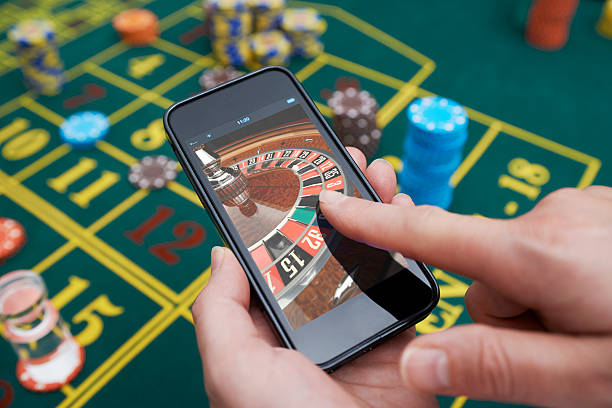
The world of casino gambling is a fascinating blend of excitement and risk, drawing in millions of individuals seeking thrills and potential rewards. The psychological appeal of gambling often stems from the adrenaline rush associated with the prospect of winning, as well as the escape from everyday life it provides. This emotional high can create a powerful addiction, prompting individuals to return to casinos time and again, despite the inherent risks of loss. Furthermore, many players explore various resources, such as usa crypto casinos, to maximize their potential winnings and understand the gambling landscape better.

Moreover, the environment of a casino is meticulously designed to enhance this allure. The use of bright lights, upbeat music, and enticing sounds of winning plays into the psychological triggers that compel gamblers to engage. As players become absorbed in this sensory experience, they often overlook the mathematical realities of the games they play, leading them to adopt various strategies in hopes of increasing their chances of winning.
The Role of Cognitive Biases
Cognitive biases significantly shape the decisions that gamblers make within casinos. These psychological patterns can lead bettors to make irrational choices, often based on emotion rather than logic. For instance, the “gambler’s fallacy” is a common belief where individuals think that past events, such as previous wins or losses, affect the likelihood of future outcomes. This fallacy can encourage players to continue betting, convinced that they are “due” for a win.
Another prevalent cognitive bias is the illusion of control, where gamblers believe they can influence the outcome of random games, particularly those based on chance like slot machines or roulette. This belief can lead to the adoption of specific strategies that promise control over outcomes, ultimately reinforcing the gambling behavior despite the lack of evidence supporting their effectiveness.
Strategies Employed by Gamblers
Many gamblers develop strategies, whether consciously or subconsciously, to increase their chances of winning. These strategies often arise from a combination of learned behaviors and personal experiences in the casino setting. Some players rely on betting systems, which suggest a specific pattern or sequence in placing bets, such as the Martingale strategy, where players double their bets after a loss in anticipation of a win.
On the other hand, some gamblers may focus on games that offer better odds, such as blackjack or poker, where skill can influence the outcome. This strategic thinking can create a false sense of confidence in their gambling abilities, making it difficult for players to recognize when to walk away. In reality, even the best strategies cannot eliminate the house edge present in most casino games.
The Psychological Impact of Winning and Losing
The psychological effects of winning and losing in gambling can have profound implications on a player’s behavior. Winning can trigger a euphoric state, reinforcing the desire to continue playing and potentially leading to aggressive betting behaviors. This cycle often becomes a double-edged sword, as losses can evoke feelings of frustration, desperation, or even shame. These emotions can drive players to chase their losses, which is a dangerous path that can exacerbate gambling addiction.
Additionally, the social environment of casinos plays a crucial role in shaping gambling behaviors. Being surrounded by other players can amplify the excitement of winning or losing, as well as create peer pressure to engage in certain behaviors. Many gamblers find community and camaraderie in these settings, further complicating their relationship with gambling and making it challenging to recognize the negative consequences that arise from excessive play.
Fostering Awareness through Education
Understanding the psychology behind gambling strategies is essential for promoting responsible gaming and preventing addiction. Educational resources can empower individuals with knowledge about the risks and realities of gambling. By highlighting the importance of setting limits and recognizing cognitive biases, individuals can learn to make informed decisions and mitigate the potential harms associated with gambling.
The website in question aims to provide such educational resources, creating a supportive environment for learners eager to enhance their understanding of gambling psychology. By equipping individuals with valuable insights, the platform fosters an awareness that can lead to healthier gambling habits and encourages a greater understanding of responsible gaming practices in a complex and often misunderstood industry.